Why Vinyl Is Back: The Analog Renaissance Explained
Why a generation raised on streaming is spending hundreds on turntables, and what it says about how we listen to music.
Vinyl record sales in 2024 surpassed CD sales for the third consecutive year. Turntable manufacturers are struggling to keep up with demand. Record shops that seemed destined for extinction a decade ago are thriving. Something significant is happening in how people choose to experience music — and it runs directly against the grain of streaming culture’s endless convenience.
Why Analog Sounds Different
The argument about whether vinyl “sounds better” than digital has been debated endlessly, and the honest answer is complicated. A well-mastered digital file played back through quality equipment can be technically superior to a scratched pressing on a cheap turntable. But that is almost beside the point.
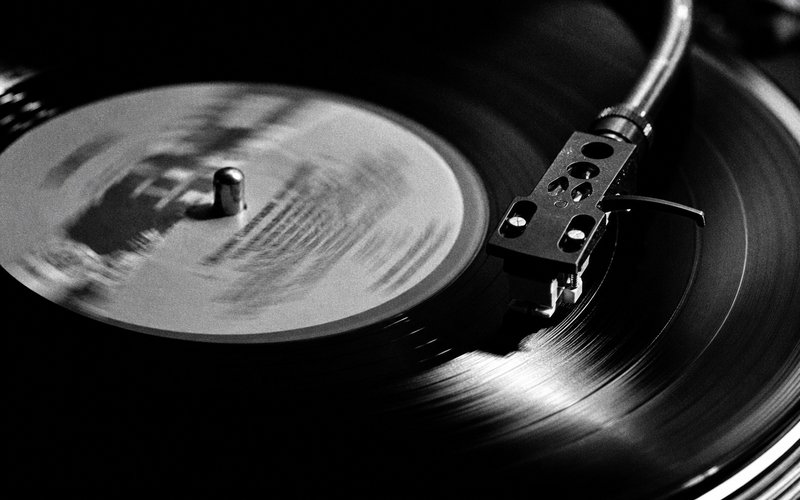
The real difference is tactile. When you play a record, you make a series of deliberate choices. You select an album, you remove it from its sleeve, you place it on the platter, you lower the needle. You commit to listening to a side before flipping. You engage with the ritual of it. The music becomes something you do, not something that happens to you.
Streaming, for all its convenience, has fundamentally changed the relationship between listener and music. The infinite catalogue encourages channel-hopping rather than immersion. The algorithm pushes you toward what you already like, narrowing rather than expanding your listening. The physical absence of the object — no cover art, no liner notes, no weight in your hands — strips music of its material culture.
The Economics of Listening
Vinyl is expensive. A new album costs £25-35. A decent entry-level turntable costs £150-300. Amplification adds more. Building a listening system requires genuine investment, and that investment changes your relationship to what you buy.
When a record costs £30, you listen to it. You read the liner notes. You look at the artwork. You notice the sequencing. You sit with music rather than treating it as background.
This is not nostalgia for its own sake. Young listeners who have grown up with streaming are discovering something their parents and grandparents knew: that music heard with full attention is a different experience to music heard passively.
The Community Dimension
Record shops have always been social spaces, but they are experiencing a particular renaissance. The browsing experience — the serendipitous discovery of an album you’d never search for on a platform — remains genuinely irreplaceable. You pick up a record because of its cover, or because someone has filed it next to something you love, or because a shop assistant mentions it.
That social dimension extends to the records themselves. When you own a physical copy of something, you can lend it, play it to friends, give it away. Digital ownership has always been a kind of fiction — a licence, not a possession.
What This Means for Music Culture
The analog revival is not a rejection of digital. Most people who buy records also use streaming. The two serve different purposes. Streaming is useful for discovery, for convenience, for listening while working or commuting. Vinyl is for when music is the point.
The real significance of the vinyl resurgence may be what it says about appetite. People want music to matter. They want the experience of listening to be distinct from the experience of scrolling. They are willing to pay more, slow down, and attend more carefully.
That is the analog renaissance: not a technology preference but a statement about attention. In a culture saturated with instant, frictionless access to everything, choosing friction is a meaningful act.
Frequently Asked Questions
What is the best turntable for a beginner? Entry-level decks from Audio-Technica (the AT-LP120X), Rega (the Planar 1), and Pro-Ject (the Debut Carbon EVO) are consistently well-reviewed starting points. Avoid cheap all-in-one units with built-in speakers — they often damage records with excessive tracking force.
Do old records sound better than new pressings? Not necessarily. Original pressings can sound excellent but vary enormously in condition. Modern audiophile pressings (180g vinyl, mastered directly from analogue sources) often sound outstanding. The mastering matters more than the era.
Can streaming and vinyl coexist? Most listeners use both. Streaming works well for discovery and convenience; vinyl works well for attentive, intentional listening. They serve different needs rather than competing directly.
Why are records so expensive now? Several factors converge: increased demand, rising raw material costs, vinyl pressing plant capacity constraints (there are very few pressing plants globally), and the economics of physical manufacturing. The market is adjusting but prices have stabilised at a higher level than the pre-revival era.
How should records be stored? Vertically, never stacked horizontally. In a cool, dry environment away from direct sunlight. Inner sleeves protect from dust and static. Cleaning records before playing significantly extends their life and improves sound quality.
What is the best genre to start a vinyl collection with? Whatever you love. That said, classic rock, jazz, and soul have historically had excellent pressing standards and are widely available second-hand at reasonable prices. Start with albums you know well so you can evaluate quality properly.
Are new albums worth buying on vinyl? Depends heavily on the mastering. Some modern releases are specifically mastered for vinyl and sound exceptional. Others are simply the digital master pressed to plastic, with no benefit over streaming. Research specific releases before buying — online communities and dedicated review sites discuss mastering quality in detail.
What is a “hot stamper” or “audiophile pressing”? These are specific pressings — often identified by catalogue number or matrix stamping — that are known to sound better than standard pressings of the same album. The market for such records has become extremely specialist, with some pressings changing hands for thousands of pounds.