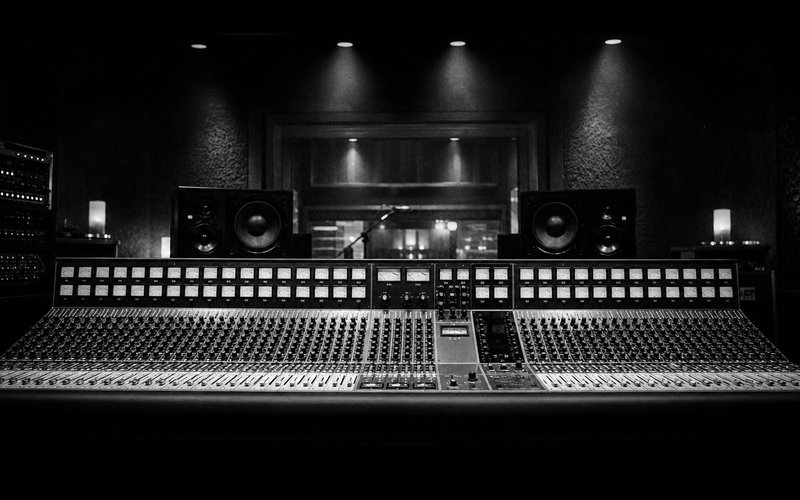
Marcus Bell: How Isolation Became His Creative Process
The producer behind three of this year's most acclaimed records talks craft, solitude, and why he refuses to work with click tracks.
Marcus Bell has produced records that have defined the sound of independent music for the better part of a decade. His name appears in small print on albums that sold in the hundreds of thousands, and he prefers it that way. He does not have social media accounts, does not give many interviews, and has a studio whose location he asks not to be published.
We spoke by phone for ninety minutes. He is direct, occasionally blunt, and funny in a way that does not announce itself.
You’ve worked with artists at very different stages of their careers — debut records and tenth albums. Is the process different?
Completely different. With a debut, you’re helping someone find out what they are. They often don’t know yet. Your job is to create a space where they can find it without you imposing what you think they should be.
With someone on their tenth record, they know exactly what they are. Your job is to stop them from repeating themselves without losing what makes them recognisable. Those are almost opposite problems.
You’re known for refusing click tracks on sessions. Why?
Because music is not a grid. Tempo breathes. When a drummer rushes slightly into a chorus because they’re excited about what’s coming, that’s information. When a guitarist drags slightly in a verse because they’re being cautious, that’s information. If you quantise everything to a grid, you throw away all that information and replace it with nothing.
I understand why people use click tracks. Editing is easier. Overdubs lock in tighter. The mix engineer can align everything perfectly. But the record sounds like it was made by machines, and people can tell, even if they can’t articulate what they’re hearing.
Do artists push back on that?
Sometimes. Usually by the second day they stop pushing back, because they can hear the difference. The room has a different energy when there’s no click. People listen to each other more.
Is there a record you’ve worked on that you feel got away from you?
Yes, and I’m not going to name it. Every producer has at least one. You know what the record should be, and something happens — label pressure, the artist changes direction, the budget runs out, the window closes — and the record that gets released is not the record that was possible.
You have to let that go. You take what you learned from it and you move on. Holding onto disappointment in this job will destroy you.
What do you listen to when you’re not working?
Mostly old records. I listen to a lot of 1970s soul and funk, a lot of jazz from the 1950s and 60s. I listen to field recordings. I listen to things where I can hear the room the musicians were in.
I don’t listen to much contemporary music when I’m in the middle of a project. It gets inside your head and influences choices in ways you don’t notice.
What makes a great record?
One that sounds like it could not have been made by anyone else, at any other time. That’s it. Everything else is craft, and craft can be learned. That quality — that specific inevitability — is the thing you can’t teach.
Frequently Asked Questions
Which albums has Marcus Bell produced? Bell keeps a low public profile and does not maintain an official discography. His production credits appear on numerous critically acclaimed independent releases across rock, folk, and experimental music.
Does Marcus Bell accept new clients? He works with a small number of artists at any given time and is selective about new projects. Inquiries, when accepted, typically come through personal recommendation.
What equipment does he use in the studio? Bell has spoken in previous interviews about a preference for analogue recording chains and vintage outboard gear, though he emphasises that equipment is secondary to the performances it captures.